
A roofing decision should fit the individual home. Roof shape, material, previous work, drainage, ventilation, exposure, and maintenance history can all change what a responsible next step looks like. Two houses on the same street can need very different scopes.
This Willow Bend guide helps homeowners organize the right questions before an inspection or estimate. It supports Eagle Roofing & Construction's residential roofing service.
Roofing Gallery
Roofing Perspectives in Willow Bend
View residential roofing examples from the Willow Bend area. These images illustrate various roof styles and materials, offering homeowners a visual reference for maintenance and inspection priorities.
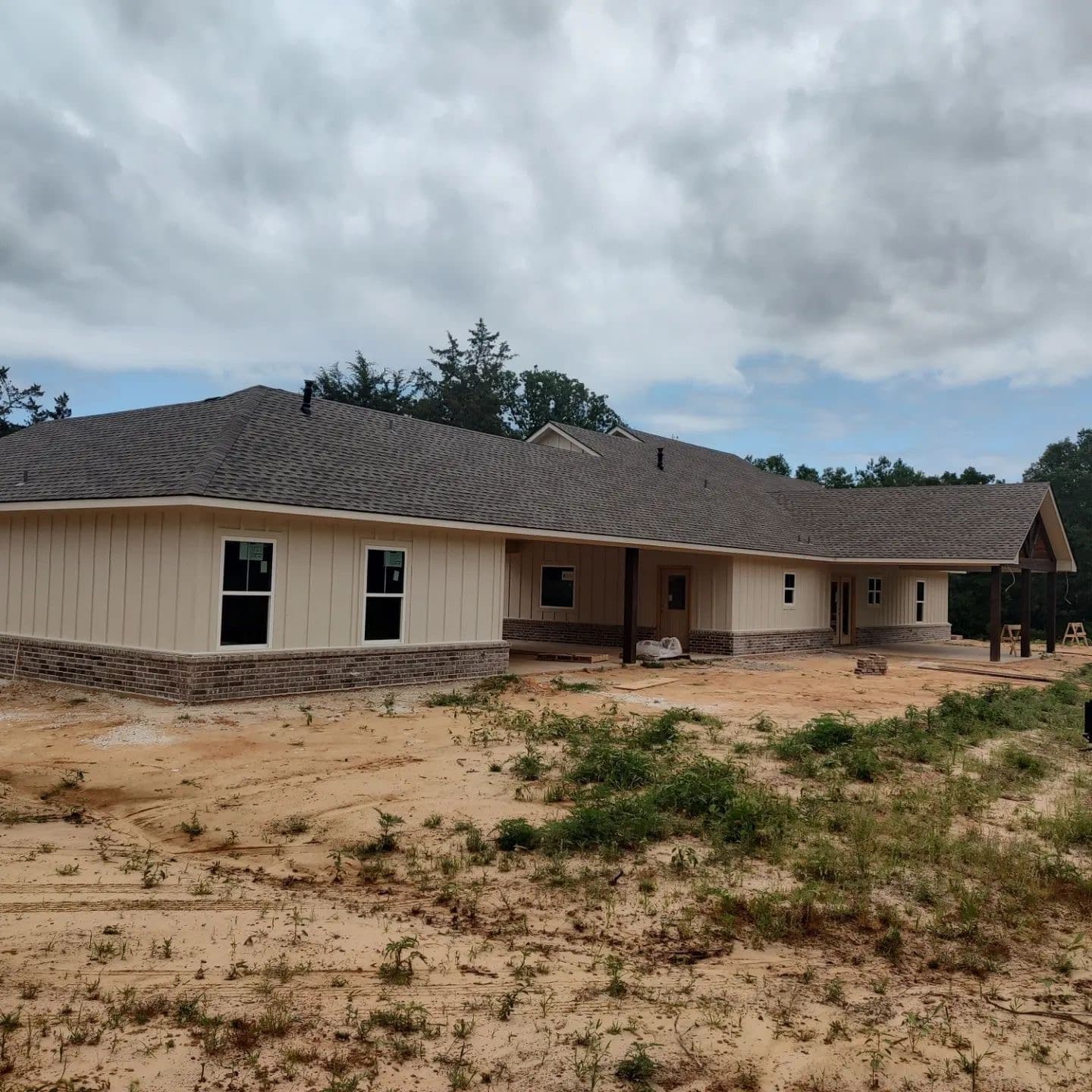
Willow Bend roof details near Cavendish Court
Complex roof designs with multiple hips and valleys have several intersecting points. An inspection can include a review of these areas to ensure they are properly detailed. Homeowners can ask how these complex sections are evaluated to maintain the roof’s ability to shed water effectively.
Directions to Eagle Roofing DFW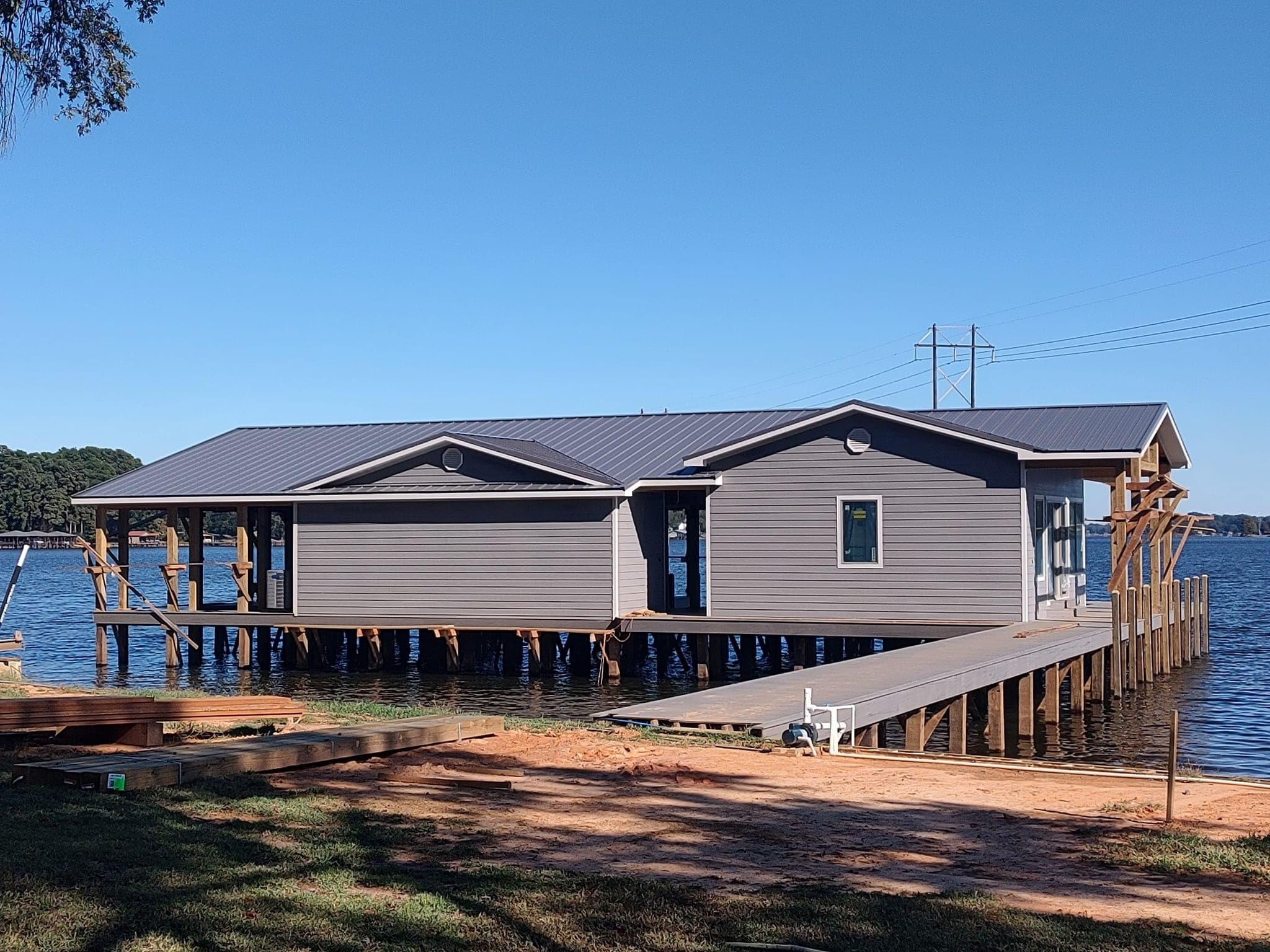
Willow Bend roof details near Cradle Rock Circle
Metal roofs with long planes and gable transitions offer a clean architectural profile. Homeowners can ask how these transitions are checked during maintenance. Reviewing the gable edges and long planes helps ensure the roof system remains watertight and continues to protect the home effectively.
Directions to Eagle Roofing DFW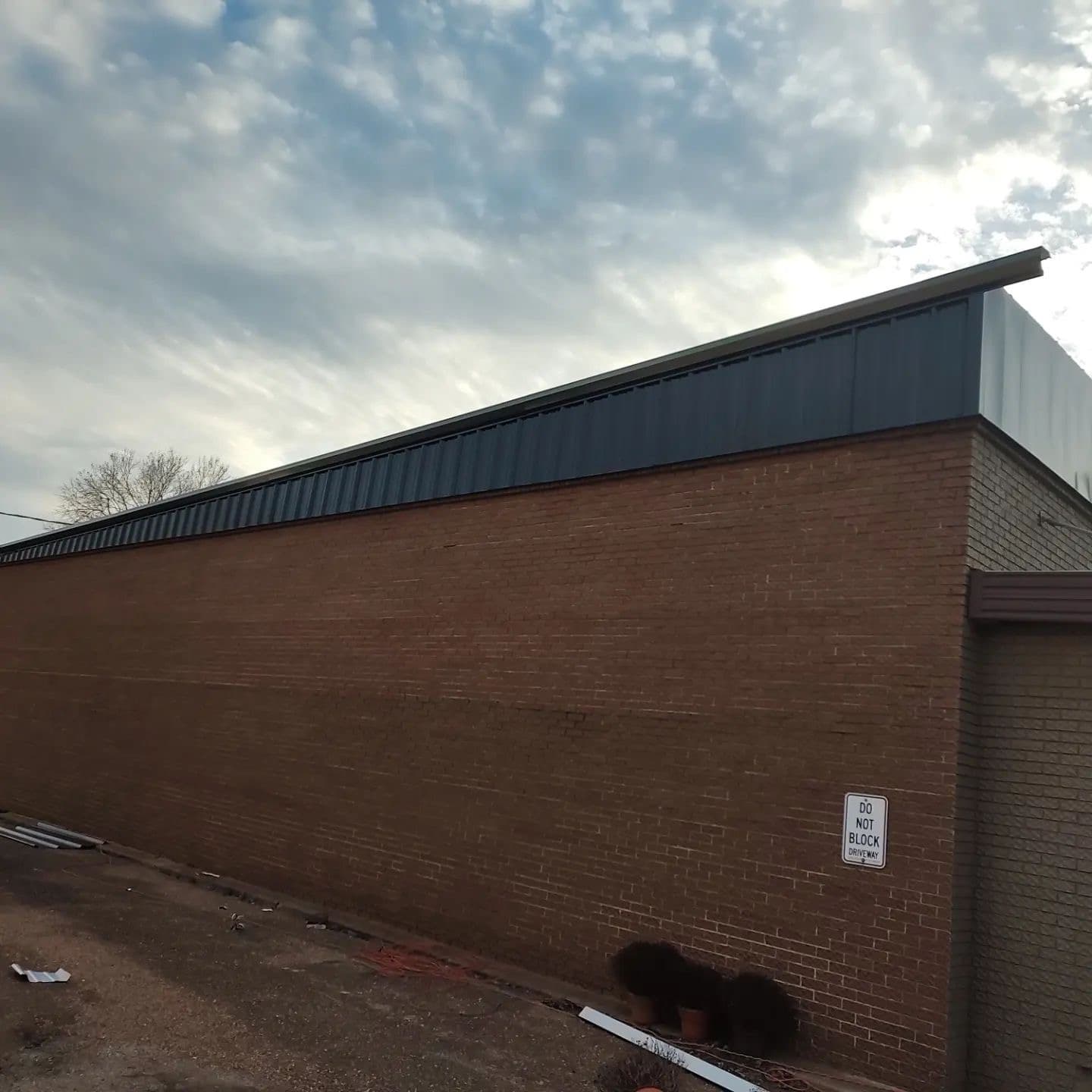
Willow Bend roof details near Banister Court
Metal roof edges and fascia details play a role in directing water away from the structure. Homeowners can ask how these components are evaluated during an inspection. Ensuring the fascia and roof edge are in good condition helps maintain the roof’s ability to manage water flow effectively.
Directions to Eagle Roofing DFW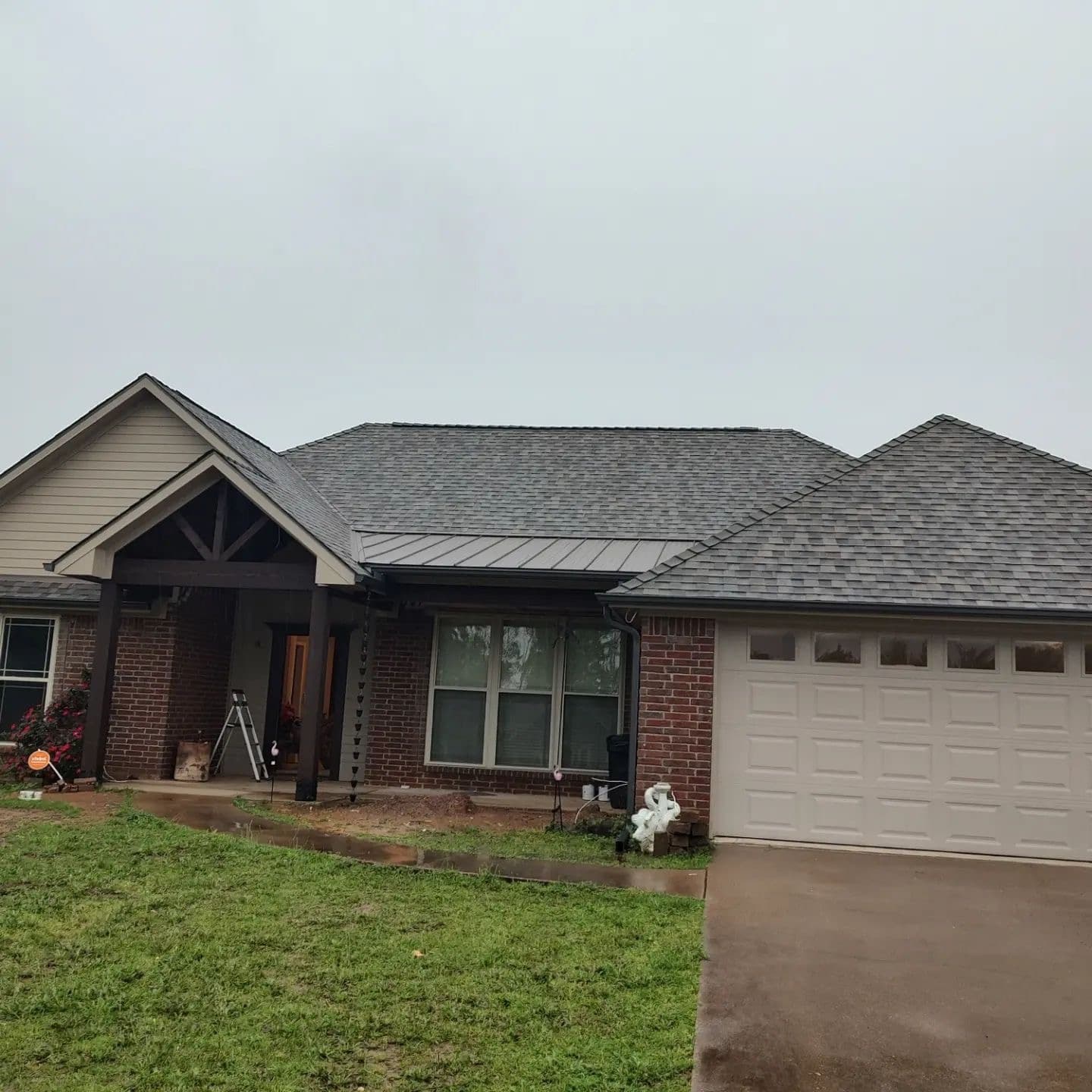
Willow Bend roof details near Mahogany Run Court
Homes with mixed roof materials, such as shingles and metal accents, have specific transition points. An inspection can include a review of the flashing where these materials meet. Homeowners can ask how these junctions are evaluated to ensure they are properly detailed and secure.
Directions to Eagle Roofing DFW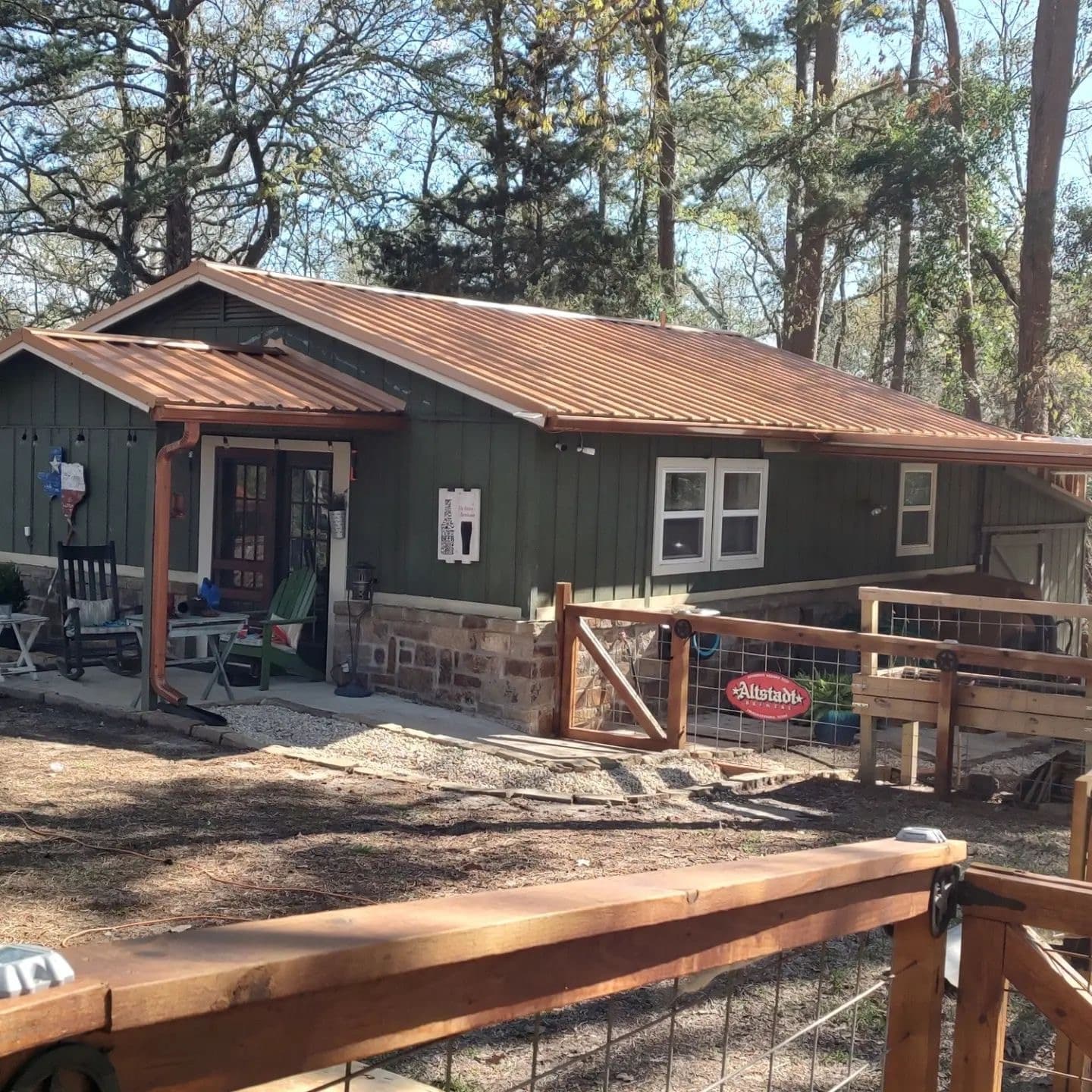
Willow Bend roof details near Chiswick Lake Drive
Gutters and downspouts work with the roof to manage water flow. Homeowners can ask how these systems are checked for clearance and proper attachment. Ensuring gutters are in good condition helps direct water away from the home, which is a key part of overall roof and exterior maintenance.
Directions to Eagle Roofing DFW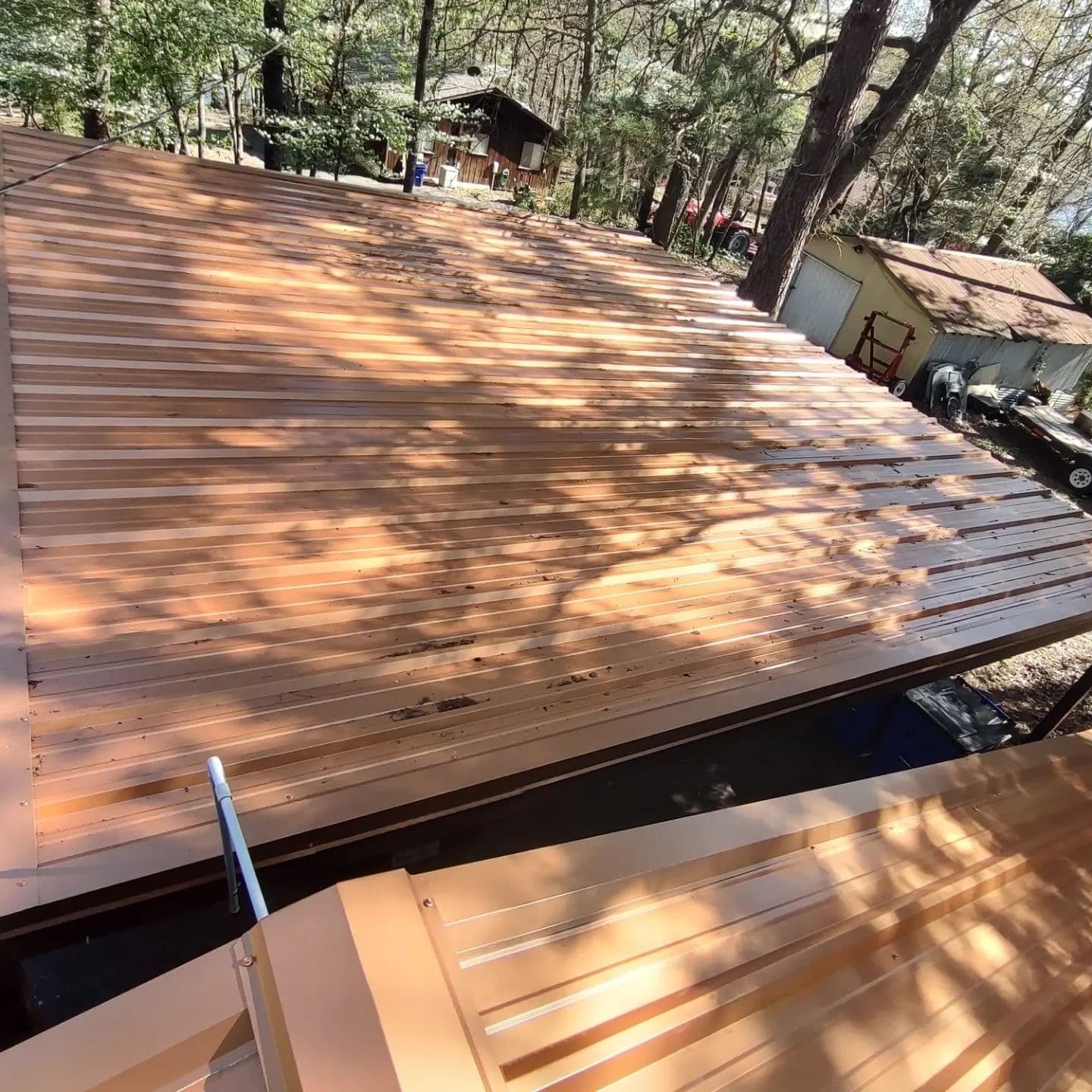
Willow Bend roof details near Plantation Circle
Tree shadows on metal roofs indicate nearby vegetation that may require monitoring. Homeowners can ask how leaf and debris accumulation is assessed during an inspection. Regular reviews of shaded areas help maintain the roof’s appearance and ensure water flows freely across the panels.
Directions to Eagle Roofing DFW01
Begin with the condition you can observe
Start by noting what changed and when. An active ceiling stain, displaced shingle, cracked tile, lifted edge, damaged vent, or debris impact gives an inspector a better starting point than a request for a broad price. From the ground, look for differences in the roof plane, exposed areas, material that appears out of line, and gutters or downspouts that are no longer moving water as expected. Do not climb onto a wet, steep, fragile, or storm-damaged roof to investigate.
Interior clues matter too. Record where staining appears, whether it changes during wind-driven rain, and whether the condition is new or recurring. Water can travel along framing or roof-system components before it becomes visible indoors, so the ceiling mark is not always directly below the entry point. A useful evaluation follows the likely water path and checks the surrounding assembly.
02
Separate a repair decision from a replacement decision
Not every roof concern requires replacement. A focused roof repair may be reasonable when damage is localized, surrounding materials remain serviceable, the source can be identified, and compatible materials are available. The repair should address the cause, not simply cover the first visible symptom.
Replacement deserves consideration when wear or damage is widespread, repeated repairs are no longer solving the problem, materials cannot be integrated responsibly, or the overall system has reached a condition where another isolated repair offers poor value. Even then, age alone should not make the decision. A roof replacement plan should explain the observed condition, what will be removed, what will be installed, and how vulnerable details will be handled.
Ask for the reasoning behind the recommendation. A homeowner should understand which findings support repair, monitoring, or replacement and what could change the scope once work begins.
03
Review the roof as a complete water-management system
The visible roof covering is only one part of performance. Valleys, wall intersections, penetrations, flashing, underlayment, roof edges, ventilation, gutters, and drainage paths all affect how the assembly handles North Texas weather. A quote focused only on squares of material can miss the details most likely to cause trouble later.
During planning, identify transitions and penetrations that need specific treatment. Ask whether damaged decking discovered during removal has a defined process and price basis. Discuss how the work area will be protected, how debris will be handled, and how access affects the schedule. These questions make competing estimates easier to compare because they move the conversation from a single total toward the completeness of the scope.
- What condition was observed at flashings and transitions?
- Are ventilation and drainage conditions part of the review?
- How will unexpected substrate damage be documented?
- What property-protection and cleanup steps are included?
04
Treat material choice as part of the system
Material selection should reflect the existing structure, roof geometry, desired appearance, maintenance expectations, and the details needed for a complete installation. Product name and color matter, but they do not replace correct transitions, flashing, ventilation, and installation.
If the home has concrete or clay tile, use a contractor familiar with tile-specific evaluation. The visible tile can be damaged by careless access, and the water-management components below it may require attention even when nearby pieces look intact. Eagle's tile roofing page explains the additional questions involved in evaluating profiles, matching materials, access, and surrounding components.
For any material, request a written scope that identifies the proposed system rather than relying on a sample alone. Confirm which accessories and transitions are included and which choices remain allowances or owner selections.
05
After severe weather, document before deciding
Hail and wind do not affect every property in the same way. After severe weather, check safely from the ground for displaced material, visible impact, damaged accessories, fallen debris, or new interior moisture. Take dated photos of conditions you can reach safely and keep notes about when symptoms appeared.
A professional evaluation can distinguish a localized concern from a broader pattern. If insurance may be involved, keep policy and carrier communications together and confirm coverage decisions directly with the insurer. Eagle's storm-damage roofing guide covers a measured document-first approach without assuming every storm leads to a replacement.
Active water entry, displaced material, or a component that could fall calls for prompt attention. Describe the immediate condition when you call so the next step can be prioritized appropriately.
06
Compare estimates by clarity, not only by total
A clear estimate helps you understand what problem is being solved. It should identify the proposed work, major materials or systems, important exclusions, property-protection steps, cleanup, and how changes will be handled. If two prices differ substantially, compare the scopes line by line before assuming they cover the same work.
Ask who will be your contact, what needs to happen before scheduling, and what documentation you will receive. Discuss access, vehicles, pets, landscaping, outdoor furnishings, and household timing before the work date. A little planning reduces avoidable disruption and makes expectations easier to manage.
Questions worth asking
- What findings are driving the recommendation?
- Which details, accessories, and cleanup steps are included?
- What could create a documented change to the scope?
- How will the property and work area be protected?
- What is the next step if a problem appears after the work?
07
Turn the first conversation into a useful next step
When contacting Eagle, share the Willow Bend property address, the symptoms or goal, when the concern began, and any prior repair history you know. Ground-level photos can help with the initial conversation, but the recommendation should follow the condition of the actual roof.
Eagle Roofing & Construction is based in Plano and provides residential roof evaluation, repair, replacement, storm-related planning, and concrete or clay tile expertise. The purpose of the visit is to define the problem and prepare an estimate around the property - not force every homeowner into the same answer.
FAQ
Willow Bend roof-planning questions
Does a ceiling stain mean the roof needs replacement?
No. A stain confirms that moisture needs investigation, but the right scope depends on the entry point, surrounding roof condition, extent of damage, and whether a responsible localized repair is possible.
Should I have the roof checked after every hailstorm?
If you notice new symptoms, visible damage, displaced material, or significant nearby impacts, an evaluation can help document the condition. Avoid assuming damage or climbing onto the roof based only on a storm report.
What should I send when requesting an estimate?
Send the property address, a short description of the concern or goal, when you first noticed it, known prior repairs, and safe ground-level photos if available. That information makes the first follow-up more productive.
Resources
Willow Bend roofing planning resource
Eagle's public Willow Bend roofing document brings the neighborhood guide, Plano roofing company information, and the primary residential roofing service together in one supporting reference.
- Open the Willow Bend residential roofing Authority Doc
- Explore Eagle's Willow Bend roofing resource site
- View the public Willow Bend roofing map
Service Area
Willow Bend Neighborhood Map
This map illustrates the general residential streets within the Willow Bend neighborhood. It serves as a visual aid for homeowners seeking roofing advice, helping them understand the local context for maintenance, storm preparation, and general roof care in this Plano area.
View the Willow Bend roofing mapVideo Guide
Willow Bend Roofing Insights
A dedicated Eagle neighborhood video will appear here when available. This section will provide visual insights into roofing best practices, seasonal preparation, and specific considerations for homes in the Willow Bend area, helping residents stay informed about their roofs.